
Frequently asked questions
What is TDLAS?
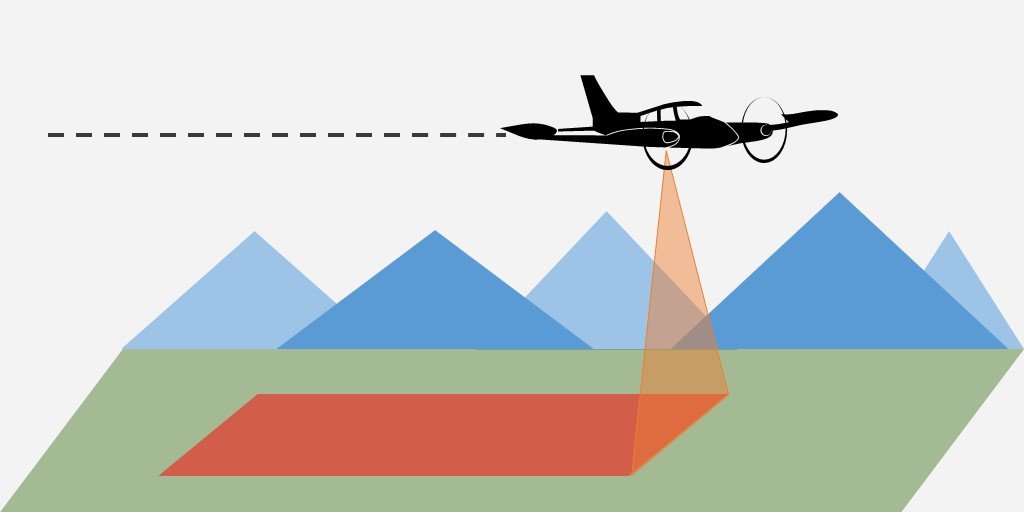
TDLAS stands for Tunable Diode Laser Absorption Spectroscopy. It is an advanced optical sensing technology that uses tuned laser beams to precisely detect and measure specific trace gases, such as methane, from the air.
Why not use drones?
Planes can cover hundreds or even thousands of miles in a single flight, making them ideal for inspecting long pipeline networks. Additionally, planes can carry larger and more advanced detection sensors while flying at higher speeds, making them more time-efficient and cost effective.
Does TDLAS meet city, state, or federal requirements for LDAr?
The EPA has expanded LDAR requirements for methane emissions under the Clean Air Act. Advanced detection technologies, including aerial TDLAS, can be used if they meet alternative emissions monitoring standards, supporting both regulatory integrity management and leak detection programs.
Can VVA provide aerial services without methane detection?
Yes! Our aircraft offer customers the ability to cover large distances quickly. Planes can inspect hundreds of miles in a single flight, reducing the time needed for ROW monitoring compared to ground inspections. Aerial inspections can easily reach locations that are difficult or impossible to access by ground crews.
Where does vva fly?
We currently offer services across the southwest including: Texas, New Mexico, Oklahoma, Kansas, and Louisiana.
How accurate is your aerial methane detection?
By combining high-precision TDLAS technology with specialized flyover pattern techniques, we can pinpoint methane indications within one meter of ground verification. This targeted approach eliminates guesswork and false indications, allowing ground maintenance and integrity teams to navigate directly to the source for rapid verification and remediation.